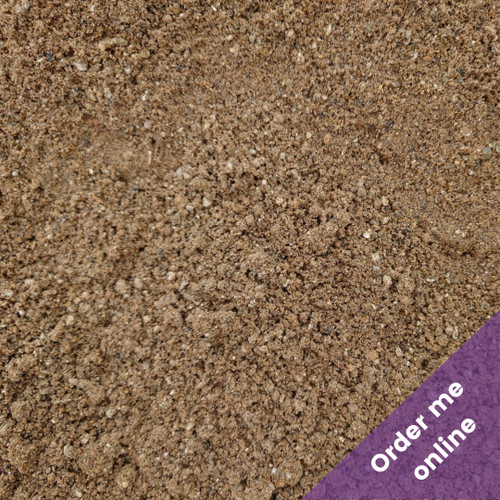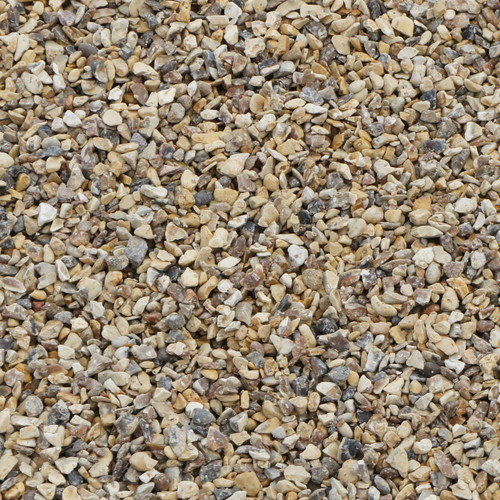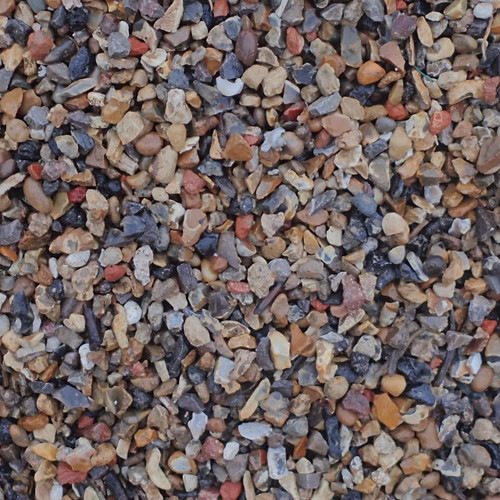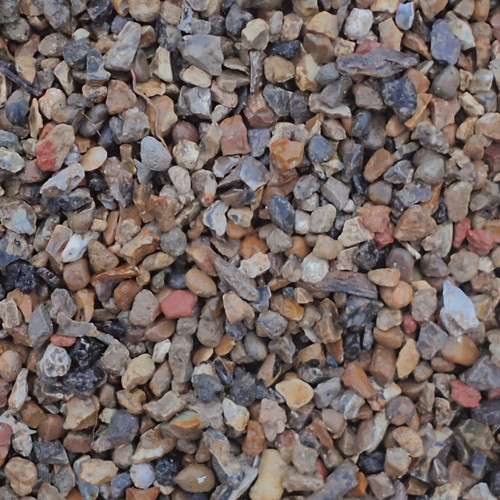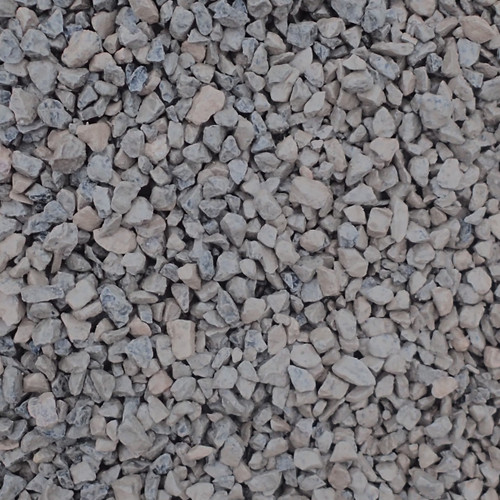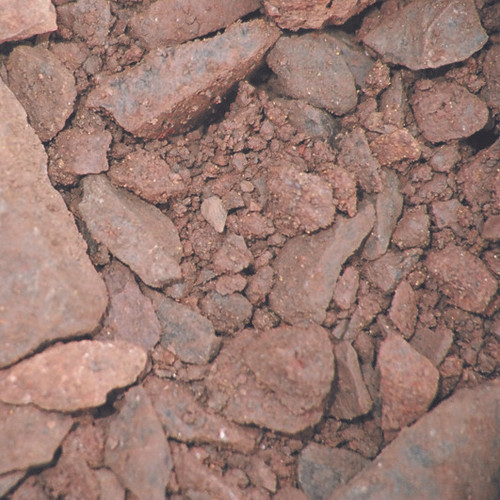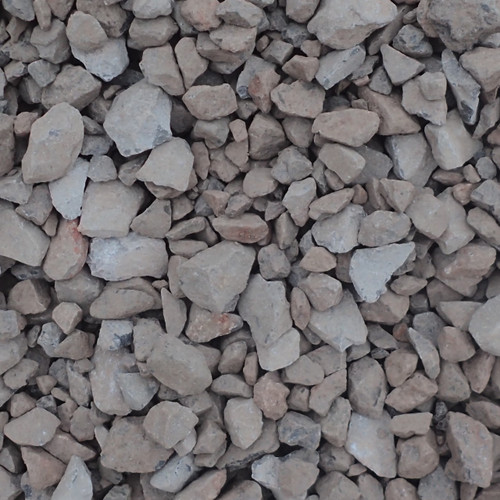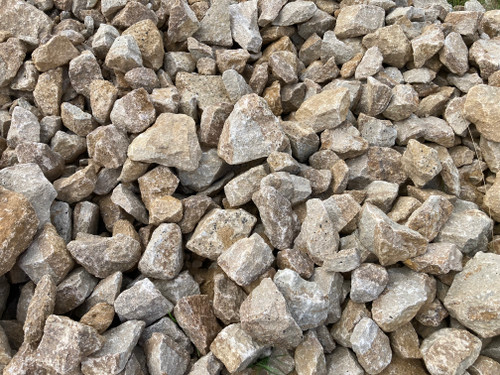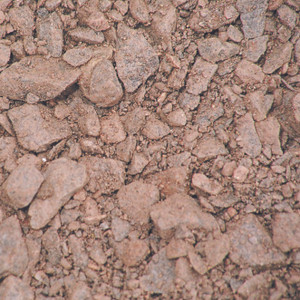
Building & Landscaping Materials
Read More About Our Building & Landscaping Materials
Trusted Building & Landscaping Material Suppliers
Willis & Ainsworth supply high-quality building and landscaping materials throughout Thatcham, Newbury and the wider Berkshire area. Whether you're a homeowner tackling a weekend project, a landscaper preparing a garden transformation, or a contractor managing a large construction site, we deliver the right materials on time and at competitive prices.
With decades of experience in the trade, our team can advise on quantities, suitability and alternatives — saving you time, money and unnecessary trips to the merchant.
Aggregates
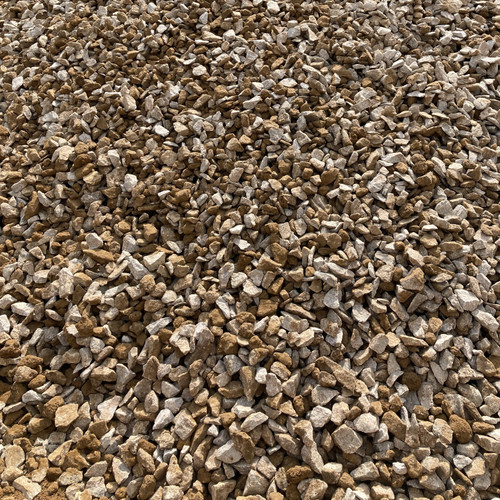
Sands, gravels, ballast, MOT Type 1, shingle and decorative stone — supplied loose or in bulk bags.
Topsoil & Compost
Screened topsoil, premium-grade soil, bark mulch and composts ideal for lawns, beds and planters.
Cement & Mortar
OPC cement, ready-mixed mortars, postcrete and hydrated lime for builders and DIY projects.
Paving & Walling
Block paving, natural stone slabs, kerbs, edging and walling materials for driveways and patios.
What We Supply
- Sharp sand and building sand
- 20mm and 10mm gravel
- Ballast and hardcore
- MOT Type 1 sub-base
- Decorative chippings
- Screened topsoil
- Bark mulch and play bark
- Cement, lime and postcrete
- Slabs, blocks and bricks
- Drainage and edging products
Common Applications
- Driveway construction
- Patio and path laying
- Garden landscaping
- Lawn preparation and turfing
- Concrete foundations
- Bricklaying and rendering
- Drainage installation
- Raised beds and planters
Frequently Asked Questions
Do you deliver to Thatcham and Newbury?
Yes — we deliver across Thatcham, Newbury and the surrounding Berkshire area, usually within 24–48 hours of order.
Can I order in bulk bags or loose loads?
Both. We supply standard bulk (tonne) bags as well as loose tipped loads for larger projects.
Do you supply trade and the public?
Yes. We work with builders, landscapers and contractors, and we're equally happy supplying homeowners and DIY customers.
How do I get a quote?
Call our team or use the contact form on our website with your postcode and the materials you need — we'll respond promptly with pricing.
Read More About Our Primary Aggregates
Primary Aggregates - Building Sand, Sharp Sand & Gravel
Primary aggregates such as Building Sand, Sharp Sand, Ballast and 10mm & 20mm gravel for general building and landscaping purposes. Loose tipped bulk deliveries for all your building needs throughout the local area.
Primary Aggregates Available
Building Sand
Available for loose tipped bulk delivery
Sharp Sand
Available for loose tipped bulk delivery
Ballast
Available for loose tipped bulk delivery
10mm Gravel
Available for loose tipped bulk delivery
20mm Gravel
Available for loose tipped bulk delivery
Other Sizes
6mm, 14mm, 40mm - Contact for availability
Building & Landscaping Applications
Building Applications
- Concrete foundations
- Bricklaying mortar
- Rendering surfaces
- Floor screeds
Landscaping Uses
- Drainage systems
- Path construction
- Garden features
- Base preparation
Commercial Projects
- Infrastructure work
- Car parks
- Industrial flooring
- Road construction
Loose Tipped Bulk Delivery Service
Bulk Quantities
Large loose tipped deliveries available for all aggregate types. Minimum loads and competitive pricing for bulk orders.
Direct to Site
Professional delivery service direct to your building site, home, or project location throughout the local area.
Fresh Stock
Primary aggregates sourced from local quarries ensuring consistent quality and competitive pricing.
Primary Aggregate Quality
Frequently Asked Questions
What's the difference between Building Sand and Sharp Sand?
Building Sand (also called soft sand or bricklaying sand) has fine, smooth particles ideal for bricklaying mortar, rendering surfaces, and general building work. Sharp Sand has coarser, angular grains making it perfect for concrete foundations, drainage systems, and screeds. Building Sand provides workability for mortar, while Sharp Sand offers strength and drainage for concrete and base layers. Both are BS certified primary aggregates available for loose tipped bulk delivery throughout the local area.
What is Ballast and what's it used for?
Ballast is a mixture of sand and gravel combined in the correct ratio for concrete mixing. It's the all-in-one aggregate solution for general building applications, saving time by eliminating the need to mix separate sand and gravel. Ballast is ideal for concrete foundations, floor screeds, and general construction work where you need ready-mixed aggregates. We supply BS certified ballast for loose tipped bulk delivery suitable for both trade and residential projects.
What size gravel should I use for my project?
10mm Pea Shingle is ideal for drainage systems, decorative applications, garden features, and paths — its smaller size provides good coverage and a neat appearance. 20mm Gravel works best for concrete mixing, larger drainage projects, and construction applications requiring more substantial aggregate. We also stock 6mm, 14mm, and 40mm sizes for specific applications — contact us on 01635 865679 to discuss which size suits your project requirements.
How much aggregate do I need for my project?
The amount of aggregate needed depends on your specific project — area coverage, depth required, and material type. As a rough guide: for concrete, you'll need approximately 2 tonnes of ballast per cubic meter. For mortar, calculate based on number of bricks and joint thickness. For base layers, depth determines quantity. Call us on 01635 865679 with your project measurements and we can calculate exactly how much Building Sand, Sharp Sand, Ballast or gravel you need and provide a quote for loose tipped bulk delivery.
Are your aggregates BS certified?
Yes, all our primary aggregates including Building Sand, Sharp Sand, Ballast, 10mm Pea Shingle, and 20mm Gravel meet British Standard specifications and are BS certified. This certification ensures materials are properly graded, clean and washed, free from clay, silt and organic matter, and suitable for their intended purpose. BS certification guarantees consistent quality from local quarries for optimal performance in building and landscaping applications.
Do you deliver aggregates in bulk?
Yes, we provide professional loose tipped bulk delivery service for all aggregate types direct to your building site, home, or project location throughout Thatcham, Newbury, Reading and surrounding areas in Berkshire, North Hampshire and Southern Oxfordshire. We can deliver large quantities with minimum loads and competitive pricing for bulk orders. Our fresh stock comes direct from local quarries ensuring consistent quality and competitive pricing.
What applications are aggregates suitable for?
Primary aggregates serve multiple applications: Building Applications include concrete foundations, bricklaying mortar, rendering surfaces, and floor screeds. Landscaping Uses cover drainage systems, path construction, garden features, and base preparation. Commercial Projects encompass infrastructure work, car parks, industrial flooring, and road construction. Each aggregate type — Building Sand, Sharp Sand, Ballast, and gravel — is specifically suited to different applications based on particle size and characteristics.
Read More About Our Concrete & Screed Supply
Concrete & Screed Supply - All Types & Applications
Willis and Ainsworth can supply all types of concrete and screed for any application. Professional delivery with flexible load sizes and quick turnaround times.
Services Available
Screed Supply
Load Sizes: Flexible from small projects to commercial developments
Types: 4:1 Standard Screed, Fibre Screed, Custom mixes
Delivery: 24-48 hour availability, first load of day
Concrete Supply
Options: Lean Dry Mix (own vehicles), Ready Mix (supplier network)
Mixes: Standard concrete, with/without fibres, custom designs
Specifications: All listed designs, bespoke requirements
Applications
Service Features
Own Vehicle Fleet
Direct delivery for reliable service
Large Load Capacity
8-wheeler trucks available for major projects
Quick Turnaround
24-48 hours for standard mixes, first load of day
Custom Specifications
Any specific designed mix available - call or email
Frequently Asked Questions
What's the difference between screed and concrete?
Screed is a thinner layer of cementitious material applied over concrete bases to create a smooth, level surface for floor finishes. It's typically 25-75mm thick and uses finer aggregates for a smoother finish. Concrete is a structural material used for foundations, driveways and load-bearing applications, typically much thicker (100mm+) with larger aggregates for strength. Screed is for finishing floors, concrete is for structural work. We supply both with flexible load sizes from small projects to commercial developments and ready mix options.
What is 4:1 screed?
4:1 screed refers to the mix ratio — 4 parts sharp sand to 1 part cement. This is the standard screed mix for floor applications, providing the right balance of workability, strength and finish quality. We supply 4:1 Standard Screed ready-mixed for immediate use, as well as Fibre Screed (4:1 mix with added fibres for crack resistance) and custom mixes to your specifications. All screed is available with 24-48 hour turnaround and first load of day delivery for optimal working conditions.
How much screed do I need for my floor?
Screed quantity depends on your floor area and depth. As a guide: for 50mm depth, you need approximately 0.05m³ per square meter of floor area. For example, a 40m² floor at 50mm depth requires 2m³ of screed. We can supply flexible load sizes suitable for both small residential projects and large commercial developments. Call 01635 865679 with your floor measurements and required depth, and we'll calculate the exact quantity needed and provide a quote.
What's the difference between Lean Dry Mix and Ready Mix concrete?
Lean Dry Mix is a lower cement content concrete delivered on our own vehicles, ideal for foundations and applications where maximum strength isn't critical but workability is important. Ready Mix concrete comes through our supplier network with higher cement content, more precise mix designs, and larger delivery capacities. Ready Mix offers all listed designs including standard concrete, fibre reinforced options, and custom specifications. Lean Dry Mix is cost-effective for general use, Ready Mix is best for structural applications requiring specific strength grades.
Do you supply fibre reinforced screed and concrete?
Yes, we supply both Fibre Screed and fibre reinforced concrete. Fibre Screed contains polypropylene fibres mixed into the 4:1 standard screed, providing crack resistance and improved durability — ideal for high-traffic floors or areas prone to movement. Fibre reinforced concrete is available through our ready mix options, offering enhanced strength and reduced cracking. Fibres are particularly beneficial for industrial floors, driveways, paths and patios. Custom fibre specifications are available — contact us to discuss your requirements.
How quickly can you deliver screed or concrete?
We offer 24-48 hour availability for standard screed mixes with first load of day delivery. This means we deliver early morning when screed is freshest and working conditions are optimal. For concrete, lead times depend on mix type — our lean dry mix can be delivered quickly on own vehicles, while ready mix through supplier network typically requires 24-48 hours notice. For urgent requirements or specific delivery times, call 01635 865679 to discuss availability and scheduling for your project.
What applications are concrete and screed used for?
Screed applications include floor screeds over concrete bases, industrial floors requiring smooth finishes, and underfloor heating installations. Concrete applications cover foundations for buildings and extensions, driveways and parking areas, paths and patios, and commercial projects. We supply materials suitable for both residential DIY projects and large commercial developments throughout Thatcham, Newbury, Reading and surrounding areas with flexible load sizes depending on vehicle type and project requirements.
Read More About Our Sub Base & Hardcore Materials
Sub Base & Hardcore Materials - Primary & Recycled
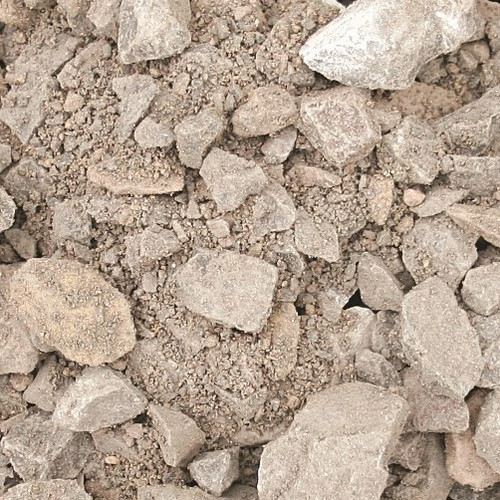
At Willis & Ainsworth we supply all types of Sub Base and Hardcore materials for any job. We have primary materials (Limestone, Granite) and recycled materials (crushed concrete 6F5, Type 1 Recycled).
Materials Available
Primary Materials
Recycled Materials
SUDS Compliant Materials
Sustainable Urban Drainage Systems (SUDS) materials conform to Marshalls, Formpave, AquaPave and AquaSlab guidelines.
MOT Type 3 (DOT Type 1 X)
Suggested base material for all new drives
2-6mm Limestone
For laying paving slabs
20-4mm Limestone
For paving slab installation
Applications
Key Benefits
Primary & Recycled Options
Premium or cost-effective alternatives
SUDS Compliance
Modern drainage solutions
Industry Standards
Marshalls, Formpave guidelines
Any Job Size
Materials for all project scales
Frequently Asked Questions
What's the difference between MOT Type 1 and MOT Type 3?
MOT Type 1 is a limestone or granite based primary sub base material suitable for general foundations, road construction and traditional driveways. It's the standard choice for most groundwork applications. MOT Type 3 (also called DOT Type 1 X) is a SUDS compliant material designed for sustainable urban drainage systems. It's the suggested base material for all new driveways as it allows water to drain through rather than creating runoff. Type 3 conforms to Marshalls, Formpave, AquaPave and AquaSlab guidelines, making it essential for modern paving installations requiring drainage compliance.
What does SUDS compliant mean?
SUDS stands for Sustainable Urban Drainage Systems. SUDS compliant materials allow rainwater to drain through the surface rather than creating runoff that overloads drainage systems. Our SUDS materials include MOT Type 3, 2-6mm Limestone for laying paving slabs, and 20-4mm Limestone for paving installations. These materials meet guidelines from Marshalls, Formpave, AquaPave and AquaSlab manufacturers. Using SUDS compliant materials is increasingly important for new driveways and paved areas to manage surface water sustainably and meet modern building regulations.
Should I use primary or recycled sub base materials?
Primary materials (limestone or granite based MOT Type 1) offer guaranteed quality, BS certification, and consistent performance — ideal for structural applications, foundations, and projects requiring specific standards. Recycled materials (crushed concrete 6F5, Type 1 Recycled) provide cost-effective alternatives for groundworks, drainage systems and general construction where premium quality isn't critical. Primary materials cost more but ensure compliance with building standards. Recycled options work well for larger projects where cost savings matter — particularly bulk orders over 5 tonnes. We can advise which option suits your specific job requirements.
What is crushed concrete 6F5?
Crushed Concrete 6F5 is a recycled aggregate made from demolished concrete structures, crushed and graded to specific sizes. The 6F5 designation indicates it meets certain grading standards for use as sub base material. It's a cost-effective alternative to primary MOT Type 1 for applications like drainage systems, general groundworks, and construction projects where you don't require the premium quality of quarry-fresh limestone or granite. 6F5 is environmentally friendly, reduces waste, and offers significant cost savings on larger projects.
What is 2-6mm limestone used for?
2-6mm Limestone is a fine SUDS compliant material specifically designed for laying paving slabs. Its small particle size creates a smooth, level bed that allows for precise slab positioning while maintaining drainage properties. This material conforms to Marshalls and Formpave guidelines for sustainable drainage paving installations. It's the preferred bedding material for modern paving projects replacing traditional sharp sand in applications requiring water permeability. The fine grade ensures proper support for slabs while allowing rainwater to drain through to the sub base below.
Do I need SUDS compliant materials for my driveway?
For new driveways, SUDS compliant materials like MOT Type 3 are increasingly recommended and may be required depending on your local planning requirements. Modern building regulations often require sustainable drainage solutions to prevent surface water runoff. If you're installing permeable paving from manufacturers like Marshalls, Formpave, AquaPave or AquaSlab, SUDS compliant base materials are essential for the system to function correctly. For traditional driveways or repairs to existing installations, standard MOT Type 1 may be sufficient. Contact us on 01635 865679 to discuss your specific project and compliance requirements.
What applications are sub base and hardcore materials used for?
Sub base and hardcore materials serve multiple construction applications: Foundations for buildings, extensions and structural work. Road Construction for new roads, repairs and infrastructure projects. New Driveways requiring stable base layers under paving or tarmac. Drainage Systems needing permeable base materials. Groundworks for general construction and development projects. Landscaping for paths, patios and garden features. We supply materials for any job size from small residential projects to large commercial developments throughout Berkshire, North Hampshire and Southern Oxfordshire.
Read More About Our Recycled Aggregates
Recycled Aggregates - Cost-Effective Alternative Materials
Recycled Aggregates are the fastest growing product within the aggregate industry. At Willis & Ainsworth we supply: Certified Recycled Type 1, 10mm & 20mm Recycled Gravel, BS3882 Grade A & B Soil, Pipe Bedding Sand and Crushed Concrete.
Important: 5 Tonne Minimum for Savings
Quantities below 5 tonnes don't save money - haulage costs more than you save. Most cost-effective for bulk orders.
Recycled Products Available
Certified Recycled Type 1
10mm Recycled Shingle
20mm Recycled Gravel
BS3882 Grade A Soil
Grade B Soil
Pipe Bedding Sand
Large Crushed Concrete
General Fill Materials
Why Use Recycled Materials?
Cheaper Alternative
Cost savings on larger projects and bulk orders
Quality Varies
Not all recycled products match primary material standards
Environmentally Friendly
Reduces waste and conserves natural resources
Suitable Applications
Frequently Asked Questions
Why is there a 5 tonne minimum for cost savings on recycled materials?
For quantities below 5 tonnes, haulage and delivery costs often exceed the material cost savings compared to primary aggregates. The price difference between recycled and primary materials is relatively small per tonne, but delivery costs are fixed regardless of load size. On larger orders (5+ tonnes), the accumulated material savings outweigh the delivery cost, making recycled aggregates genuinely cost-effective. For smaller quantities under 5 tonnes, primary materials like MOT Type 1 or sharp sand may actually be more economical once delivery is factored in. We recommend recycled materials for bulk orders where the savings become significant.
Are recycled aggregates as good as primary materials?
Quality varies with recycled materials — not all recycled products match primary material standards. Certified Recycled Type 1 meets specific standards and performs well for most groundwork applications. However, recycled materials may contain mixed particle sizes, occasional contaminants, or less consistent grading compared to quarry-fresh BS certified primary aggregates. For structural applications, foundations requiring building control approval, or projects demanding guaranteed quality, primary materials are recommended. For general fill, drainage systems, utility work, and budget-conscious projects where premium quality isn't critical, recycled materials offer excellent value, especially in bulk quantities.
What is Certified Recycled Type 1?
Certified Recycled Type 1 is processed recycled aggregate that meets specific quality standards and grading requirements similar to primary MOT Type 1 sub base material. It's produced from crushed concrete and masonry waste, processed and graded to provide reliable performance for sub base applications. The certification ensures the material has been tested and meets minimum standards for groundworks, drainage systems, and construction projects. While not identical to quarry-fresh MOT Type 1, Certified Recycled Type 1 provides a quality-assured, cost-effective and environmentally friendly alternative for projects where premium primary materials aren't essential.
What is BS3882 Grade A and Grade B soil?
BS3882 Grade A Soil is premium quality topsoil meeting British Standard 3882 specifications for landscaping and horticultural use. It has controlled nutrient levels, appropriate pH, low stone content, and is suitable for establishing lawns, planting beds, and quality landscaping projects. Grade B Soil is general purpose topsoil for less critical applications — it may have higher stone content, less controlled nutrient levels, or be suitable for filling, rough grading, or temporary landscaping. Grade A costs more but ensures optimal growing conditions. Grade B is cost-effective for general landscaping fill and large-scale projects where premium topsoil quality isn't required.
What is pipe bedding sand used for?
Pipe bedding sand is used to create a stable, supportive bed for underground pipes in utility work, drainage installations, and construction projects. It's placed beneath and around pipes to provide cushioning, prevent damage during backfilling, and ensure proper pipe alignment and support. This sand is suitable for water pipes, drainage pipes, electrical conduits, and gas lines. It's typically finer than sharp sand with good compaction properties. Pipe bedding sand is essential for both commercial and residential projects involving any underground pipe installations, providing protection and stability for the pipe network.
What's the difference between 10mm and 20mm recycled gravel?
10mm Recycled Shingle has smaller particles suitable for drainage systems, landscaping applications, and projects requiring finer aggregate coverage. Its smaller size provides better surface finish and is easier to rake level. 20mm Recycled Gravel uses larger particles better suited for drainage systems requiring higher flow rates, groundworks, and construction applications needing more substantial aggregate. 20mm is often used in drainage trenches, French drains, and as base fill. Both are cost-effective recycled alternatives to primary gravel, with size selection depending on specific project requirements and desired drainage characteristics.
Why are recycled aggregates environmentally friendly?
Recycled aggregates reduce waste by reprocessing materials from demolished buildings and construction waste that would otherwise go to landfill. This conserves natural resources by reducing demand for quarried primary materials, lowering the environmental impact of aggregate extraction. Recycling aggregates also reduces the carbon footprint associated with quarrying, processing and transporting virgin materials. As the fastest growing product within the aggregate industry, recycled materials help the construction sector move toward more sustainable practices. Using recycled aggregates on your project contributes to circular economy principles while providing cost-effective materials for suitable applications.